Repair Kits — Engineered, Supplied & Installed
When damage is localized, an engineered steel repair kit restores your upright to full manufacturer-rated load capacity without frame removal. We supply the kit, install it correctly, and document the repair — one company, full accountability.
Engineered Steel. Full Load Capacity. Minimal Downtime.
A pallet rack repair kit is a custom-fabricated steel reinforcement sleeve engineered to fit your specific upright column. It clamps over the damaged section, is bolted and anchored to precise torque specifications, and restores the column to its full manufacturer-rated load capacity.
Unlike welding — which voids manufacturer load ratings and is rejected by structural engineers for rack repair — bolt-on kits are engineered solutions that preserve the column's rated capacity, can be formally certified, and are ANSI/RMI MH16.1 compliant.
The process is faster than full frame replacement, keeps more of your inventory in place, and creates less operational disruption — but only when the kit is the right solution for the damage type and severity. That determination starts with an assessment.
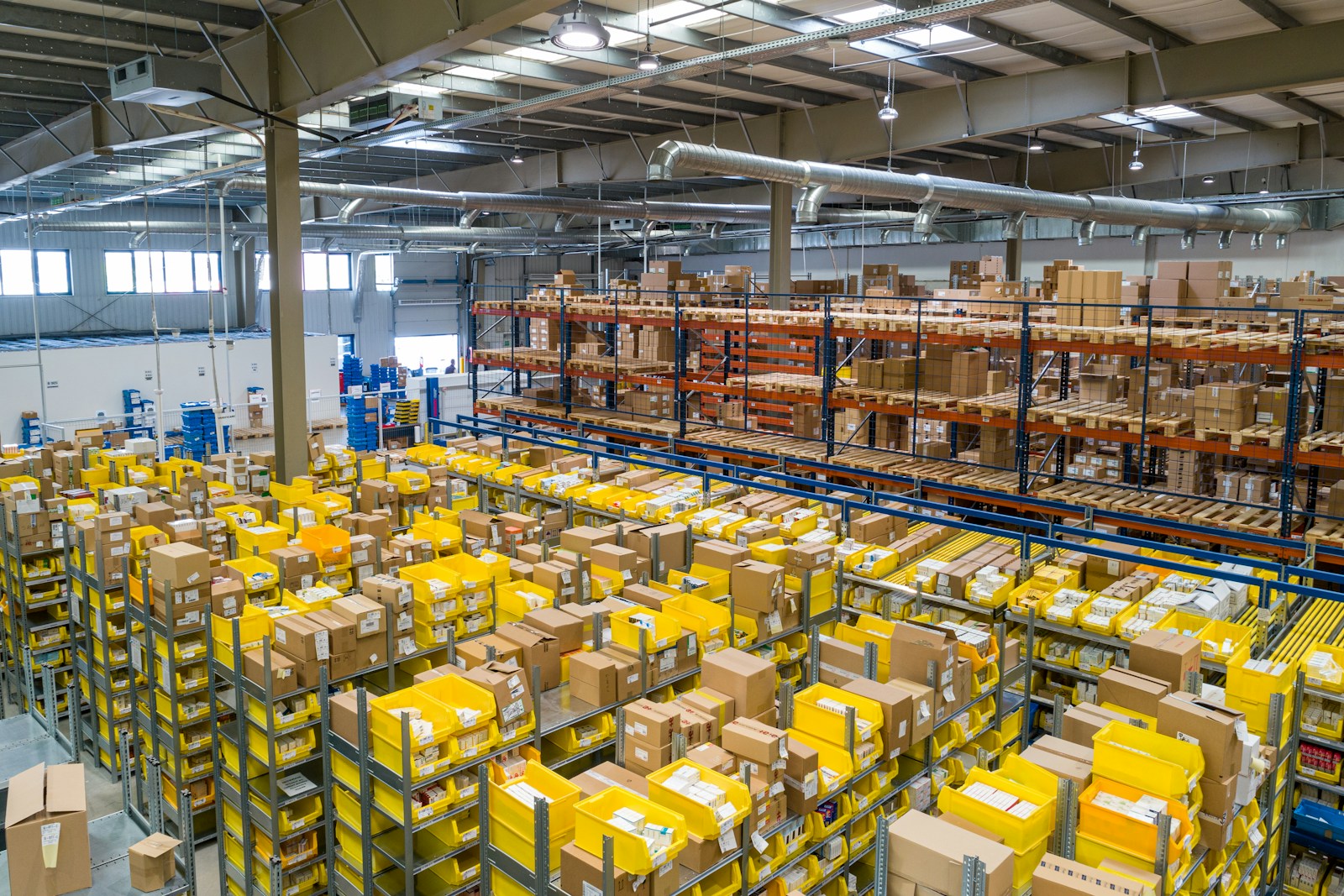
The Engineering Behind the Kit
A repair kit is not a generic sleeve — it's fabricated to the specific dimensions of your rack system to ensure a proper structural connection.
Custom-Spec'd to Your System
Kits are manufactured to the exact dimensions of your upright — column width, depth, and gauge — ensuring full bearing contact and proper load transfer. A kit spec'd to the wrong dimensions is not a repair.
Full Structural Contact
The kit clamps over the undamaged column sections above and below the damage zone, transferring loads through the kit rather than through the compromised steel. The connection is bolted to engineered torque values.
Capacity Restored and Documented
When properly installed, the kit restores the column to its manufacturer-rated load capacity. This can be formally documented and included in your OSHA compliance files alongside updated load placards.
Repair Kit vs. Full Frame Replacement
Both are valid paths. The right choice depends on the damage type and extent — which is why every job starts with an assessment, not an assumption.
| Consideration | Repair Kit + Installation | Full Frame Replacement |
|---|---|---|
| Localized upright damage from forklift strike | ✓ Preferred | Possible but over-scope |
| Severe column buckling or fracture | ✗ Not appropriate | ✓ Required |
| Damage caught before rust or corrosion | ✓ Preferred | May be considered |
| Extensive corrosion compromising steel integrity | ✗ Not appropriate | ✓ Required |
| Multiple uprights damaged in same frame | Assess case-by-case | ✓ Usually preferred |
| Base plate deformation (column intact) | ✓ Preferred | Possible |
| Frame no longer meets current code requirements | ✗ Not applicable | ✓ Required |
| Operational disruption tolerance | ✓ Minimal — bay-level | Higher — full frame offload |
| Reconfiguration planned in near future | Consider replacement instead | ✓ Better long-term value |
Supply, Installation & Documentation — All Included
We don't sell kits for self-installation. Every repair kit engagement includes site assessment, kit fabrication to spec, trained installation, and full documentation. You're not buying a part — you're buying a completed, certified repair.
-
On-Site Damage Assessment Measurements taken to confirm kit suitability and capture the exact column specifications required for fabrication.
-
Custom-Fabricated Repair Kit Kit manufactured to the precise dimensions of your upright column — not a catalog size that approximates the fit.
-
Professional Installation Trained crew handles column jacking, damaged section removal, kit placement, bolt torque, and re-anchoring to engineered specifications.
-
Updated Load Placards Post-repair placards confirming the rack row's rated load capacity, replacing any that are missing, damaged, or no longer accurate.
-
Completion Documentation Before-and-after photos, installation confirmation, and a written record appropriate for OSHA compliance files.
How the Installation Works
Proper kit installation follows a precise sequence. Each step exists for a structural reason — skipping or abbreviating any step compromises the repair.
Bay Preparation
Pallets are offloaded from the affected bay — typically only floor level or first-level storage, depending on damage location. Adjacent bays remain operational where safe.
Column Measurement
Precise measurements taken of the undamaged column sections above and below the damage zone. These confirm the kit spec and establish the cut lines.
Jack & Cut
A repair jack lifts the column slightly to relieve load. The damaged section is then cut at the marked lines using a band saw. The floor anchor is removed at this stage.
Kit Placement & Clamping
The repair kit slides into position over the remaining column sections and is clamped in place. All hardware is hand-tightened while the jack remains engaged.
Torque & Anchoring
The jack is lowered so the column load transfers to the kit platform. Bolts are torqued to spec in a star pattern. New floor anchors are drilled and installed.
Verification & Documentation
Alignment and plumb verified, all hardware confirmed secure, updated load placard installed, and before-and-after documentation completed before the bay is returned to service.